
Part II:The Garden Transformation
Artist’s Reflection
Gardens teach you patience, and this one tested every ounce of mine. What looked like rot was really the beginning of renewal—an unseen foundation forming beneath the
surface.
As we rebuilt those beds, I realized we were also rebuilding something else: a way of working, dreaming, and creating that would become the heartbeat of Midnight Moss.
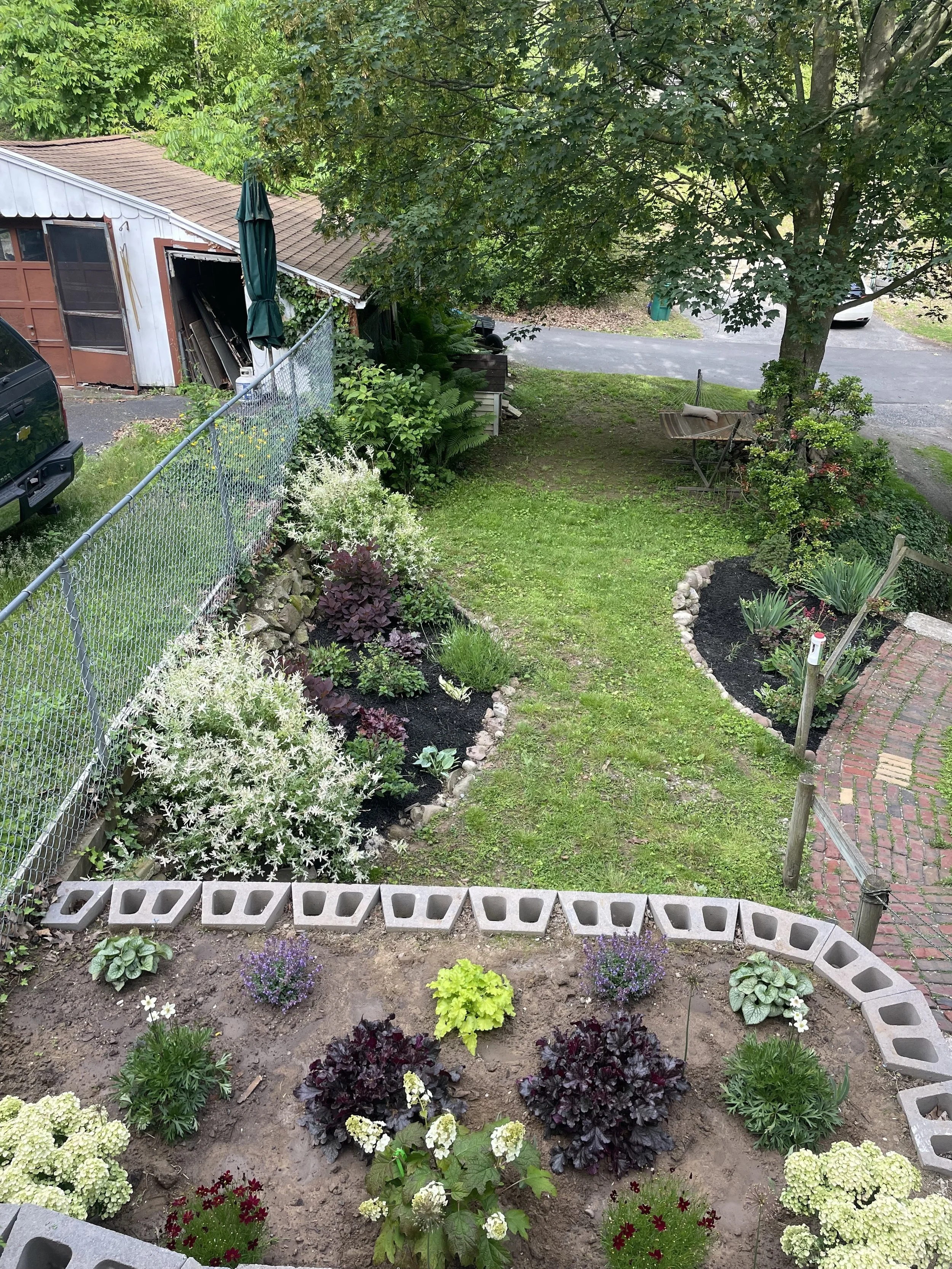
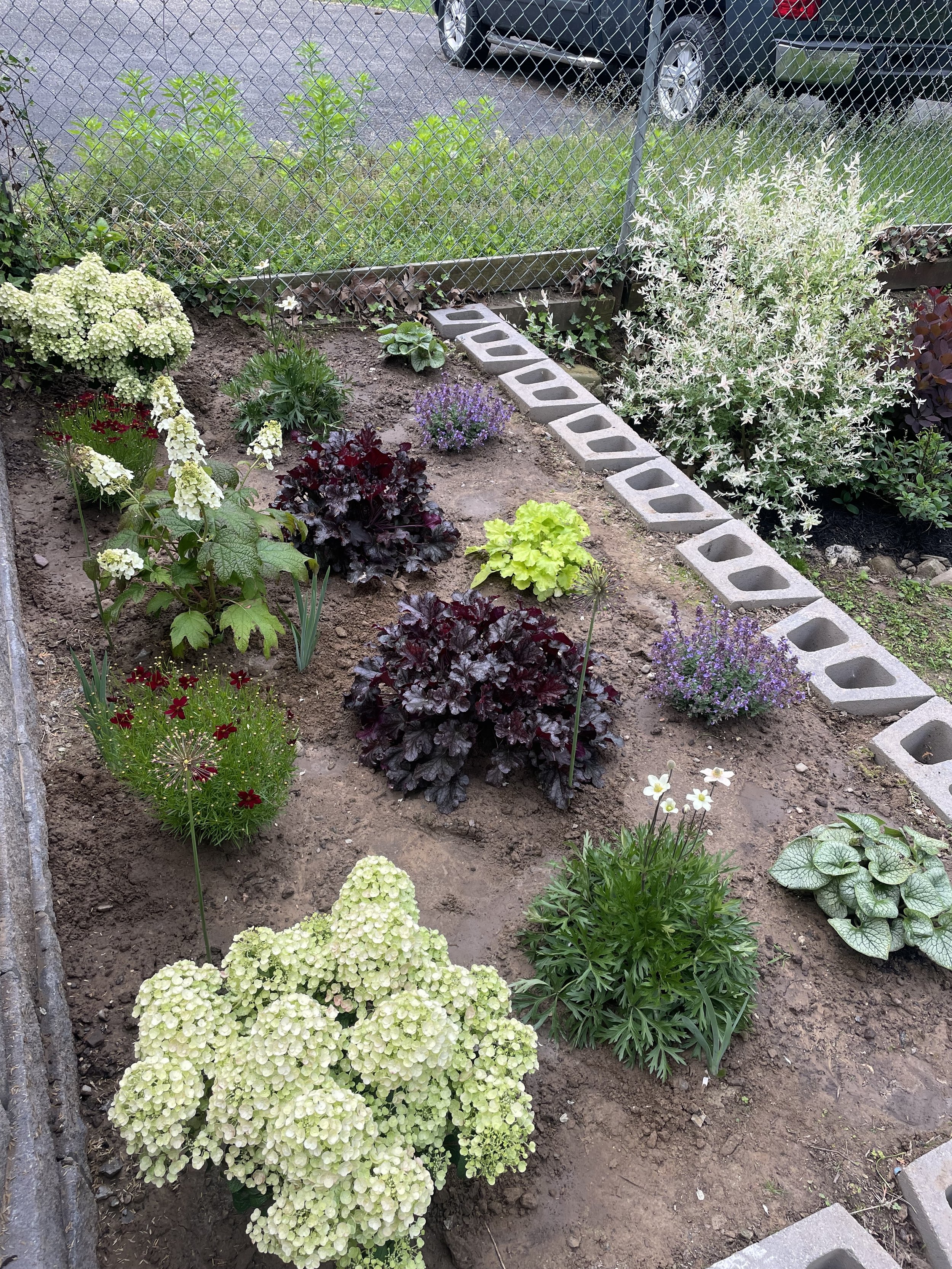
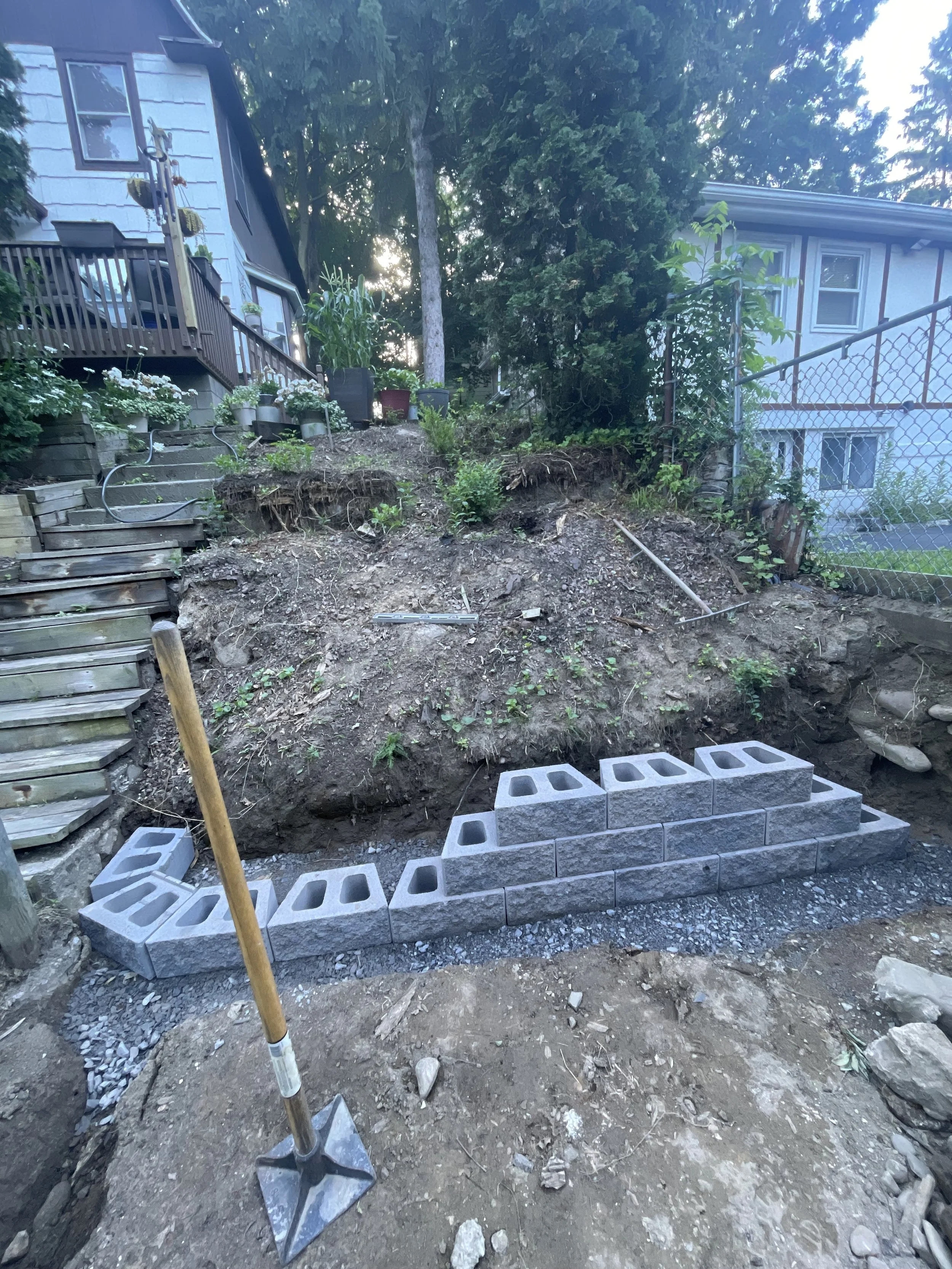
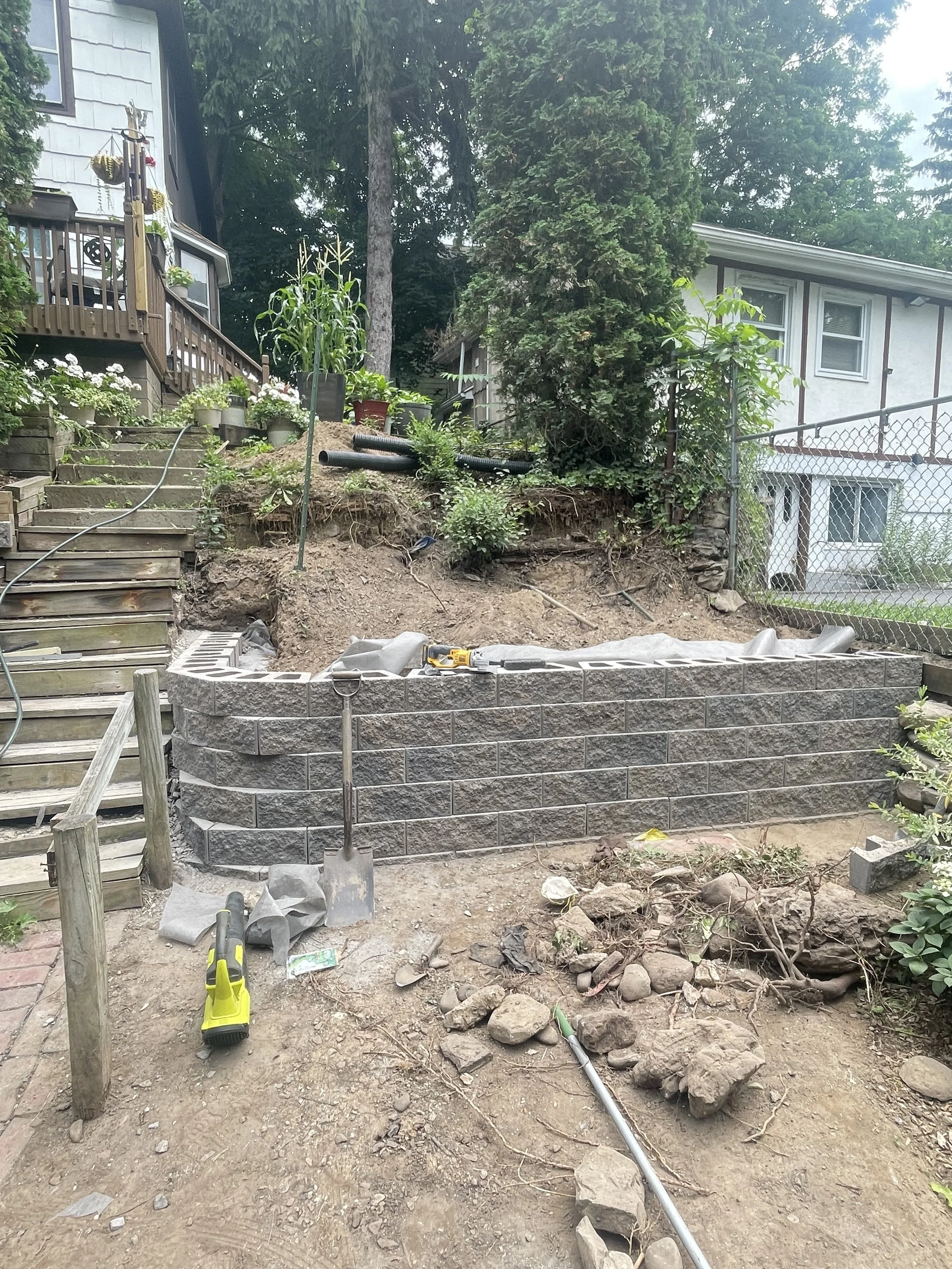
A Garden in Decay
When we first moved in, the garden was technically there—but barely. The raised beds were sunken and soft, their wooden frames splintered from years of rot and neglect. Weeds had overtaken what was once a tidy patch of green, and the soil had turned heavy and sour. It was a strange mix of potential and decay, and I couldn’t help but see something poetic in it.
This was the same ground where I dreamed of growing the flowers that would feed Midnight Moss. But standing there, shovel in hand, I realized that before anything could bloom, we’d have to dig down—to strip away what was broken and start again.
Building from the Ground Up
The process was long, messy, and often uphill—both literally and emotionally. My partner Nathan and I spent weekend after weekend pulling out the remnants of the old beds, hauling debris into piles that seemed to multiply overnight.
The wood was too far gone to save. Every plank we lifted crumbled at our fingertips, releasing the scent of damp earth and time. Beneath it, the soil was compacted and full of roots that had long lost their purpose. Still, we kept going—one shovelful at a time.
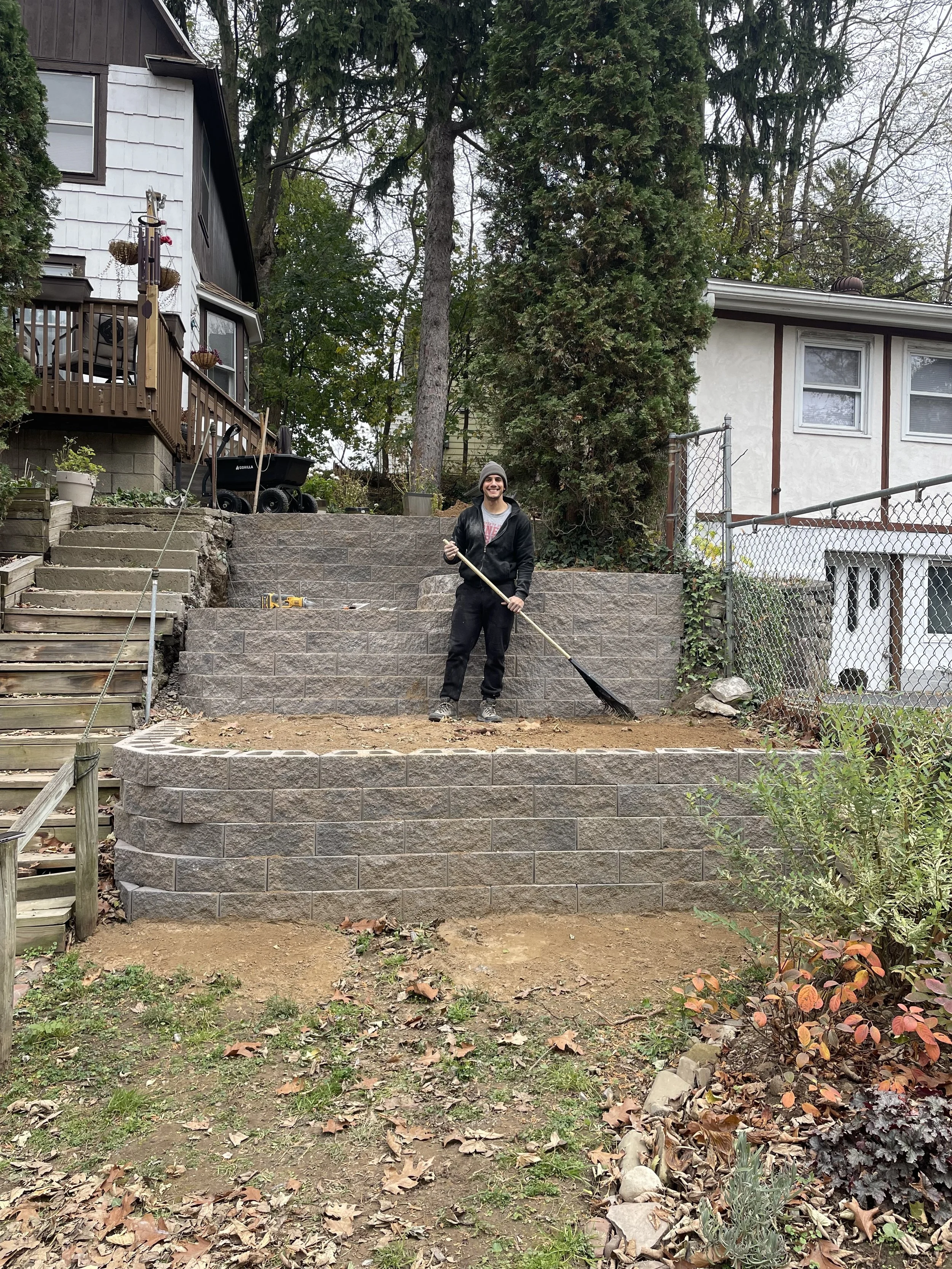
Once the space was cleared, we laid gravel for drainage and began rerouting water flow around the property. It was physical work that demanded both precision and patience. We hauled cinderblocks, leveled each corner by hand, and slowly rebuilt the frames that would hold new life.
By the time the beds were filled with fresh compost and soil, our muscles ached and our hands were covered in blisters. But there was something deeply grounding about it—like we were replanting not just a garden, but our own foundation.
What Growth Really Looks Like
People often see the end result of a garden—lush blooms, tidy rows, the effortless beauty of nature in balance. But growth rarely feels graceful while it’s happening. It’s more often uncertain, muddy, and full of moments where you wonder if all the effort will ever be worth it.
That’s how the process of rebuilding those beds felt. Some days the rain wouldn’t stop. Other days, the heat pressed down and made every task feel endless. But in between, there were moments that reminded me why I love what I do—the sound of rain tapping against the newly set cinderblocks, the feel of fresh soil between my fingers, the quiet satisfaction of seeing the garden slowly take shape.
In many ways, it mirrored the creative process behind Midnight Moss. Every arrangement begins the same way—with intention, effort, and trust that beauty will emerge from the mess. Floristry, like gardening, is equal parts patience and surrender. You can plan every detail, but nature always has the final say.
Rooted in Renewal
When the first sprouts began to push through the soil, something in me shifted. The garden that had once felt like an endless project suddenly became a living symbol of what Midnight Moss stands for—rebirth, creativity, and connection.
Each plant in those raised beds now feeds the spirit of the studio. Some blooms find their way into our designs; others are left to grow wild, reminding me that not everything has to serve a purpose to hold beauty. The garden has become our living muse—a space that keeps me grounded in the rhythm of growth and change.
Looking back, the process wasn’t just about fixing something broken. It was about learning to trust in renewal—to let the hard work, the waiting, and even the uncertainty shape something extraordinary.
What began as a rotting garden is now the root system of our work at Midnight Moss. Each flower grown here is part of a larger story of renewal, creativity, and connection.
